[Background photo by: https://www.flickr.com/photos/barryskeates/ CC 2.0]
FEATURED LOCATIONS
THE BEST OF BALA AND LLYN TEGID, BELOW
Discover nearby towns: Llandudno, Colwyn Bay, Betws-y-Coed and Barmouth
Search hotels, B&Bs, cottages and campsites around Llyn Tegid above, then explore our guides to where to stay, attractions, adventure and eating out in Bala.
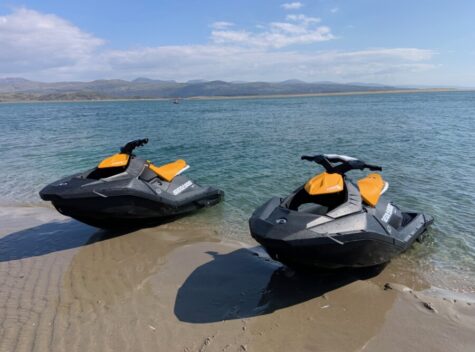
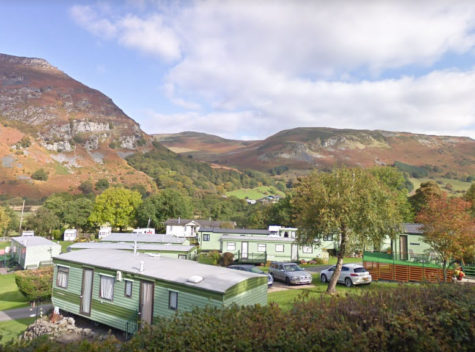
Holiday Park
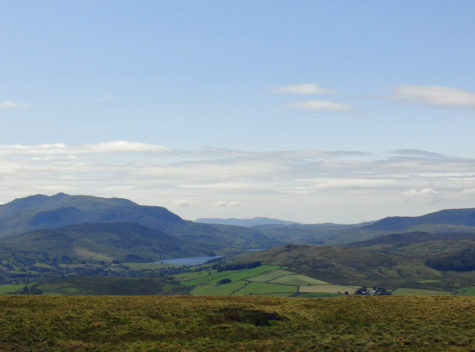
A beautiful mountain

Castle & History

Rafting
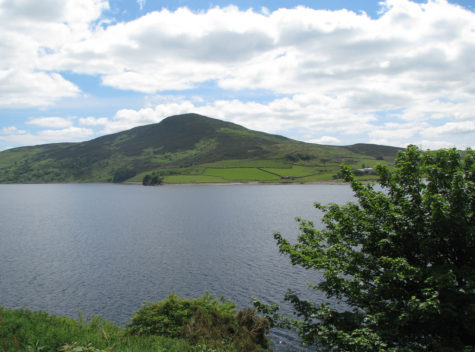
Lake
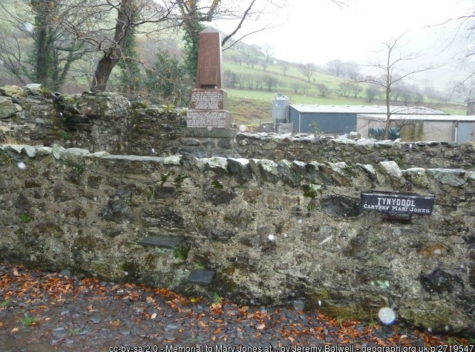
Heritage museum
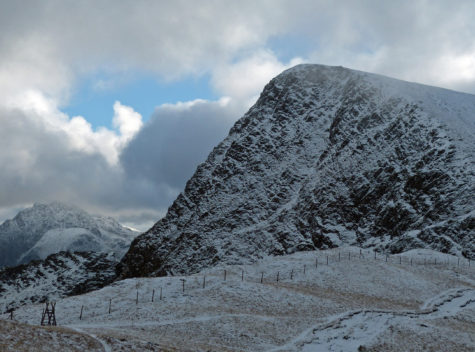
A wonderful mountain
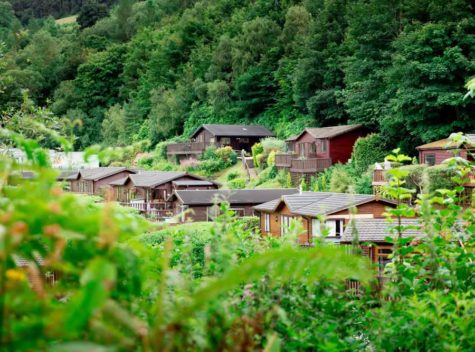
Holiday Park

Croeso i’r Bala (welcome to Bala)
Bala (Y Bala in Welsh) is a small market town at the north-eastern end of Llyn Tegid (Bala Lake), inside Eryri (Snowdonia) National Park. The name Bala means the outlet of a lake, and the River Dee leaves Llyn Tegid right on the edge of town. Bala is the main town of Penllyn, the district around the head of the lake, and one of the most Welsh-speaking towns in Wales: at the 2021 census around 72% of residents could speak Welsh, so you will hear it every day in the shops, pubs and chapels.
It makes a good base for touring both North and Mid Wales. The A494 runs through town between Corwen and Dolgellau, and the A4212 heads west past Llyn Celyn towards Trawsfynydd and the mountains of Eryri. Our Getting to Bala guide covers roads, buses, parking and the nearest railway stations.
Llyn Tegid and the gwyniad
Llyn Tegid is the largest natural lake in Wales: about 3.7 miles (6 km) long, up to half a mile wide and over 40 metres deep at its deepest point. Its level has been managed since the 19th century as part of the River Dee regulation scheme, with sluices at the Bala end. An old name for it, Pymplwy, comes from “pum plwyf”, the five parishes around its shores: Llandderfel, Llanfawr, Llanycil, Llanuwchllyn and Llangywer (Llangower).
The lake is the only natural home of the gwyniad (Coregonus pennantii), a small whitefish in the salmon family that is thought to have lived here since the end of the last Ice Age. It is critically endangered, largely because of the non-native ruffe, so conservationists have used eggs from Llyn Tegid to establish a back-up population in Llyn Arenig Fawr, in the hills to the west.
Legend says the lake covers the drowned court of Tegid Foel (Bald Tegid), husband of Ceridwen in the tale of Taliesin, and that on moonlit nights you can still see the lights of the old town beneath the water.
Bala town and Tomen y Bala
Bala was laid out as a planned borough by Roger Mortimer in or around 1310, partly to bring order to Penllyn, and the town received its charter of privileges in 1324. The medieval plan is still easy to read: one long, wide High Street (Stryd Fawr), built for market trading, with plots running back to two parallel lanes, today’s Arenig Street and Plase Street. The livestock market is still on Arenig Street.
Older than the town is Tomen y Bala, a castle mound (motte) about 9 metres high, now reached through a small public garden close to the High Street. It was held by Elise ap Madog, Lord of Penllyn, until Llywelyn ab Iorwerth (Llywelyn the Great) drove him out in 1202 and destroyed the castle. The short climb to the top gives a fine view over the rooftops to the lake and hills.
On the High Street, look out for the 1903 statue of Thomas Edward Ellis, the Liberal MP for Merioneth, by Sir William Goscombe John, and, outside Capel Tegid, the 1875 statue of the Rev. Thomas Charles.

[Background photo by: https://en.wikipedia.org/wiki/User:Necrothesp CC 3.0]
A small town with a big history
Penllyn has a long tradition of religious dissent. In the 1650s the Puritan preacher and writer Morgan Llwyd built up a following here, preaching at Bodwenni between Bala and Llandderfel. After his death in 1659 many of his congregation turned to the Quakers, and several Penllyn Quaker families later left to start new lives in America.
A century later Bala became a powerhouse of Welsh Methodism. The Rev. Thomas Charles settled in the town in 1783, organised Welsh Sunday schools across the region and pressed for a steady supply of Welsh Bibles. In 1800 a fifteen-year-old girl, Mary Jones, walked about 26 miles from Llanfihangel-y-Pennant, below Cadair Idris, to Bala to buy a Welsh Bible from him. Her story is linked with the founding of the British and Foreign Bible Society in London in 1804. Thomas Charles is buried at Llanycil on the lake shore, where the old church of St Beuno is now Canolfan Pererin Mary Jones (the Mary Jones Pilgrim Centre).
In 1837 Thomas Charles’s grandson David Charles and his brother-in-law Lewis Edwards opened a school in Bala to prepare young men for the Calvinistic Methodist ministry. It grew into Coleg y Bala (Bala College), whose building above the town was completed in 1867 and became a theological college in 1891. Bala also had an Independent college, and its principal from 1855, Michael D Jones (1822 to 1898), born in nearby Llanuwchllyn, was the driving force behind Y Wladfa, the Welsh settlement in Patagonia. On 28 May 1865 around 153 settlers sailed from Liverpool on the Mimosa, landing at what is now Puerto Madryn, Argentina, on 28 July. Welsh is still spoken in Chubut province today.
A few more landmarks: in the 18th century Bala was known for its knitted stockings, gloves and flannel; in 1873 Britain’s first sheepdog trials were held on the Rhiwlas estate, just north of town; and in 1965 the village of Capel Celyn, a few miles up the Tryweryn valley, was flooded to create the Llyn Celyn reservoir to supply Liverpool and the Wirral, an event still remembered across Wales. Bala has hosted the National Eisteddfod three times, in 1967, 1997 and 2009.
Watersports on Llyn Tegid and the Tryweryn
Llyn Tegid is managed by Eryri National Park and is a favourite for sailing, kayaking, canoeing, windsurfing and paddleboarding. General motor boating is not allowed, and there is a charge for going on the water: permits come from the Lake Wardens’ office on the foreshore at Pensarn Road or from the pay and display machines. Bala Sailing Club races on the lake, and Bala Adventure & Watersports on the foreshore offers hire, lessons and guided activities. Swimmers are welcome, but the water is cold even in summer. Anglers can buy Llyn Tegid fishing permits from the machines at the foreshore car park.
For white water, head to the National White Water Centre (Canolfan Dŵr Gwyn Genedlaethol), better known locally as Canolfan Tryweryn, at Frongoch about 3 miles from town. Controlled releases from the Llyn Celyn dam keep the Afon Tryweryn running even in dry spells, which is why rafting, kayaking and canoeing can go ahead here when other rivers are too low. Commercial rafting started on the Tryweryn in 1983. Check the centre’s water release information before you travel.
Bala Lake Railway
The narrow-gauge Bala Lake Railway (Rheilffordd Llyn Tegid) runs for about 4.5 miles along the south-east shore between Llanuwchllyn and Bala (Pen-y-bont) station, a short walk from the town centre, making a return trip of around 9 miles with lake views most of the way. Trains run on selected days from spring to autumn, plus Halloween and Santa specials, so check the timetable first. The railway trust is raising funds to extend the line into the town itself.
Walking and the hills
South of the lake rise the Aran mountains. Aran Benllyn (885m) and Aran Fawddwy (905m), the highest summit in Britain south of the Snowdon massif, make a full-day ridge walk from Llanuwchllyn of about 10 miles with roughly 1,000m of ascent. To the west, beside the A4212 beyond Llyn Celyn, is Arenig Fawr (854m), whose summit carries a memorial to the eight American airmen killed when their B-17 bomber crashed there on 4 August 1943. These are serious mountain days, so go prepared with a map, compass and a weather forecast. For gentler walks there are the lake shore, the paths around the town and the climb up Tomen y Bala.
Food and drink
The High Street has most of what you need: family-run Plas-yn-Dre, the Olde Bulls Head (a coaching inn dating back to at least 1692), the White Lion Royal Hotel (built in 1752), Plas Coch and long-standing chippy Y Badell Aur. Out of town, the community-run Eagles Inn (Tafarn yr Eryrod) at Llanuwchllyn and the Bryntirion Inn at Llandderfel are worth the short drive, and Palé Hall’s Henry Robertson Dining Room is the place for a special occasion. See our Eat & Drink guide for more.
Living in Bala
For the two thousand or so people who live here, Bala is a working market town as much as a holiday base. Ysgol Godre’r Berwyn is the town’s Welsh-medium all-age school, taking pupils from nursery through to sixth form, the livestock market still trades on Arenig Street, and the TrawsCymru T3 bus links the town with Dolgellau, Barmouth, Corwen, Llangollen and Wrexham. If you run a local business, you can get featured on bala.org.uk.
Plan your visit
A strange fish
The Bala Lake is the largest natural lake in Wales and the only natural home of the gwyniad, a small whitefish thought to have been trapped here since the end of the last Ice Age. A back-up population now lives in nearby Llyn Arenig Fawr to help protect it.
A piece of History
In 1865 around 153 settlers sailed from Liverpool on the Mimosa to found Y Wladfa, the Welsh settlement in Patagonia, Argentina. Bala minister Michael D Jones was the driving force behind the scheme, which aimed to escape hard times at home and give the Welsh language and culture a place to thrive. Welsh is still spoken there today.